EVERELMUS

History

Home History

BRUGES

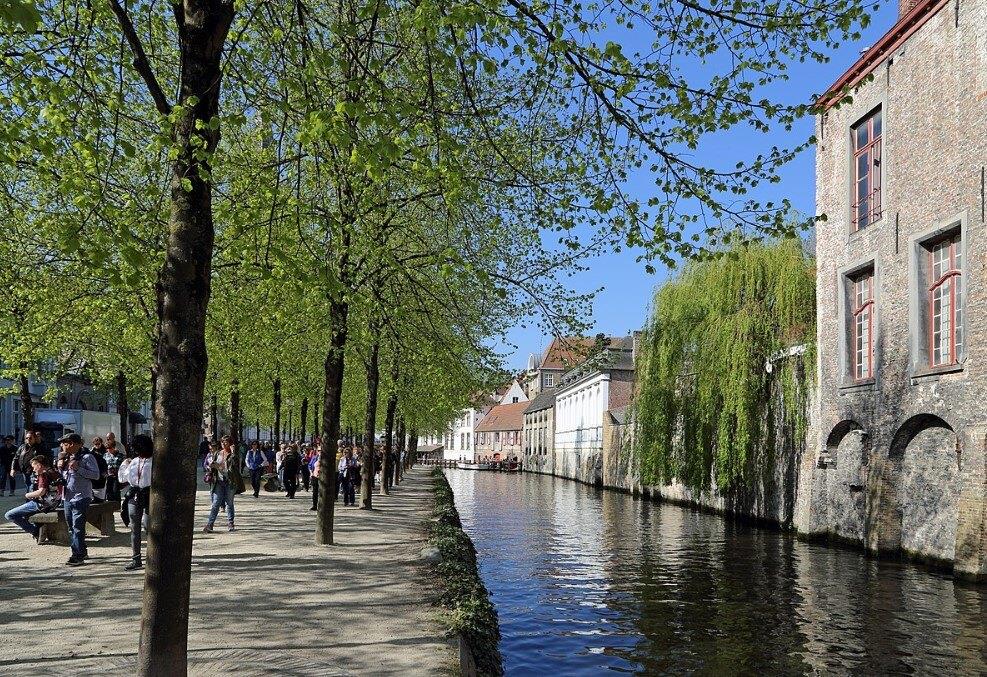
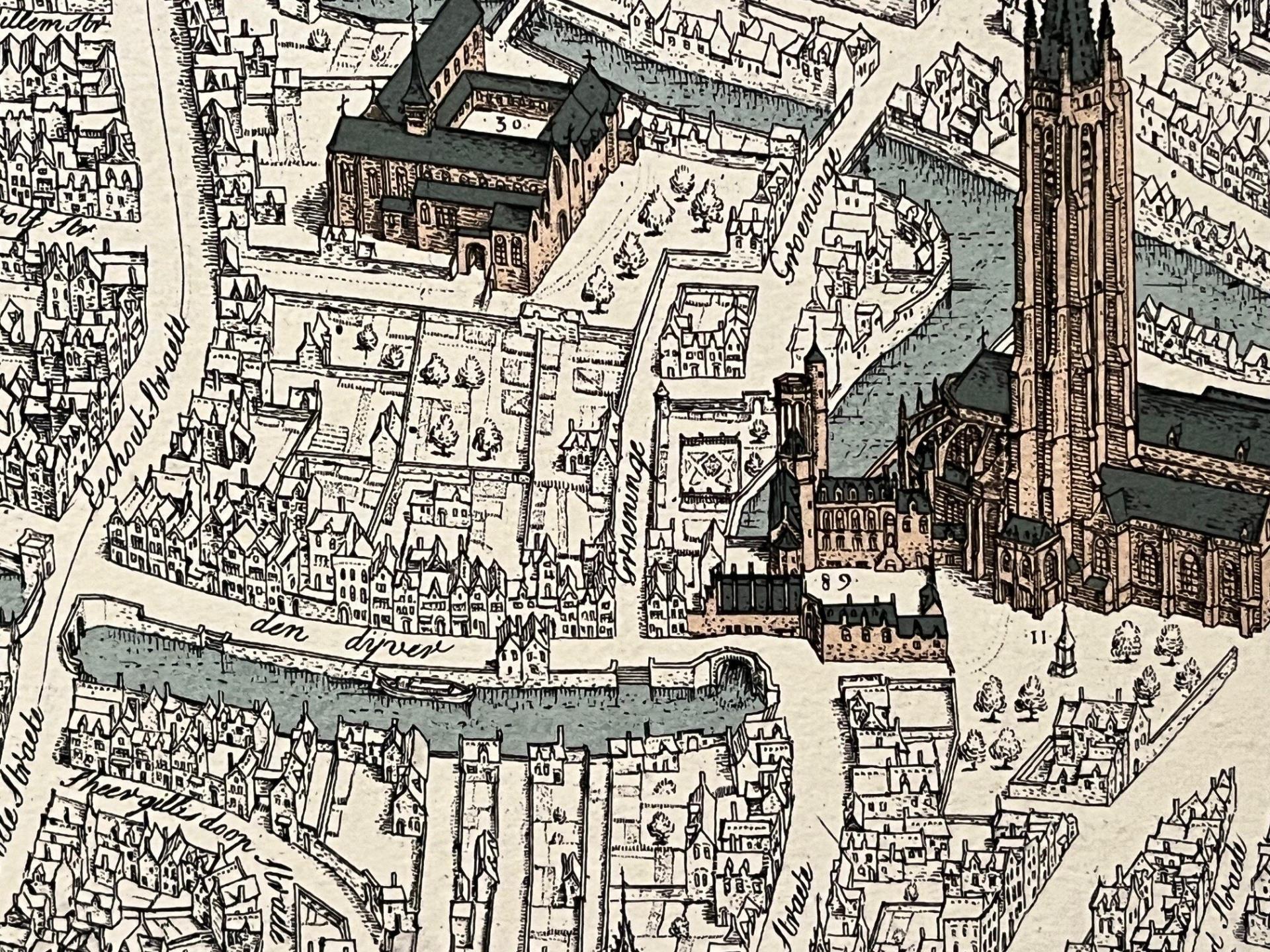
The river Dijver once formed the northern border of an island covered with oak trees, sacred trees to the Celts. Traditionally a place of gathering, a cult site arose on the island. After the Christianisation of this cult site, a few centuries later, around 1050, the hermit Everelmus is said to have settled and from which Eekhout Abbey would later have developed. From at least 1127, the Dijver formed part of the first city walls of Bruges. The name DIJVER means ‘holy water’. It is the oldest Bruges toponym and is related to the Celtic ‘divara’, meaning ‘the divine’. The name is also related to the Indo-European ‘Deiwo’ (god, divine). The place still exerted a magical attraction well into the 11th century where people brought offerings and held cultic meals. Today, the Dijver is a watercourse and a street. The canal runs from Gruuthuse Bridge to Rozenhoedkaai and Huidenvettersplein.
EVERELMUS EVERELMUS EVERELMUS

Who was Everelmus? 

In the mid-11th century, a hermit named Everelmus came to settle on the Dijver. It is very likely that this hermit erected a small church dedicated to St Bartholomew (11th century). The arrival of Everelmus at this place probably put an end to pre-Germanic Celtic practices. Elsewhere in Europe, too, pagan cult sites continued to be Christianised by hermits until long after the year 1000. A memorial stone has been preserved that can be translated as follows. ‘Here rests Everelmus, the hermit, who lived for twelve years on this island, our devoted forest, and died there in the year of the Lord 1060’.

EVERELMUS
EVERELMUS
The Dijver

Conversion in the 18th century

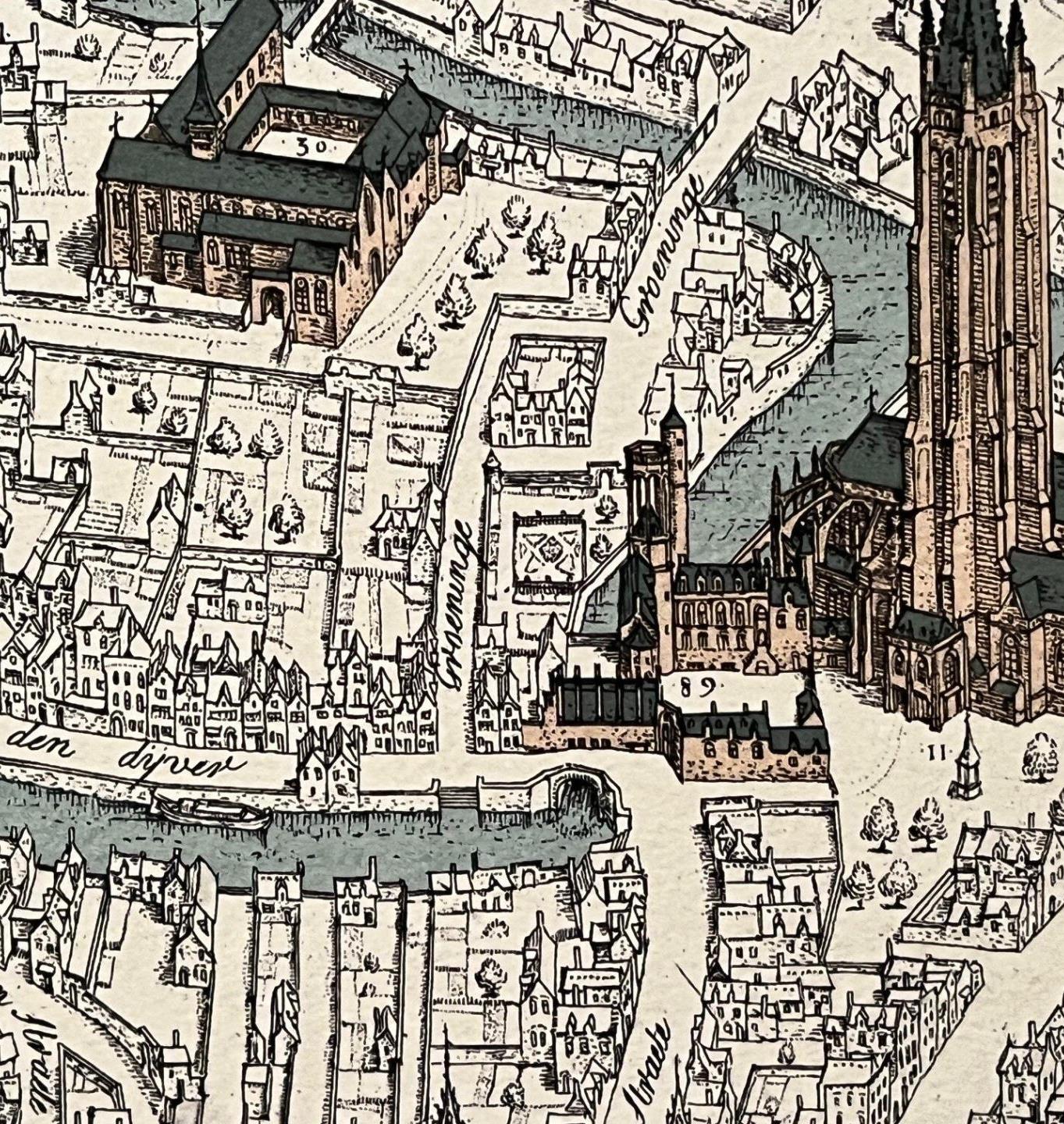
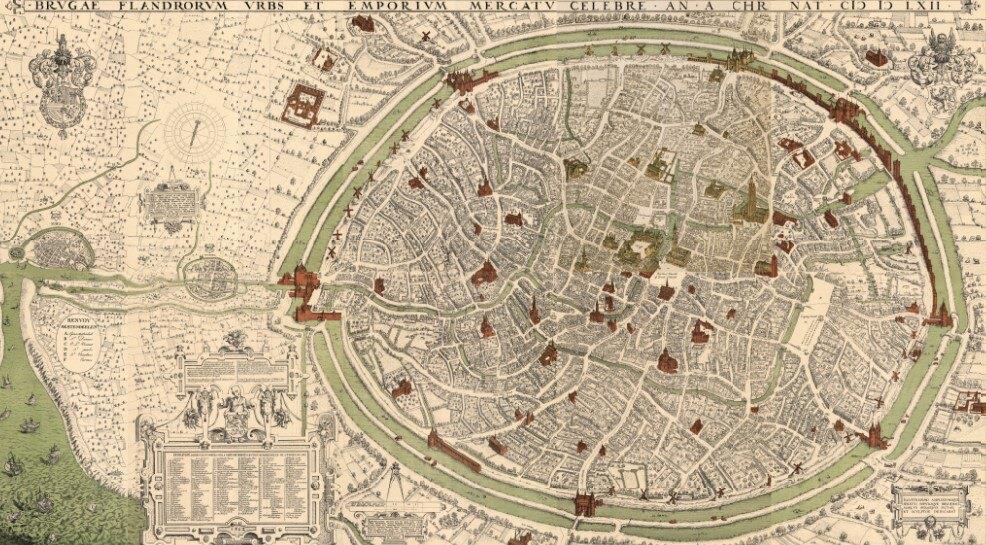
A 1737 deed of sale mentions a large gate and passageway in the front facade, and a gateway opening into Melckwietstraatje. (Groeningen). On the land behind the house was a workhouse and a ‘logie’. The property also included an ‘island’ in the Dijver watercourse, wide about 50 feet. That island is depicted on Marcus Gerards' map (1562) and was still cultivated at that time.

0on 2 September 1770, Joannes Vander Stricht bought the pre-existing medieval double house De Schelpe. Vander Stricht is the provost of the chapter of Our Lady in Bruges and abbot of St Roch in Segni. A week later, Vander Stricht also bought the adjacent property to the left, Dijver 14, house den Blauwen Arent. In this way, his ownership extends to the provost's house of Our Lady's Church, Dijver 12, the official residence of the provost and the building in which the administration of a provost's house sits.

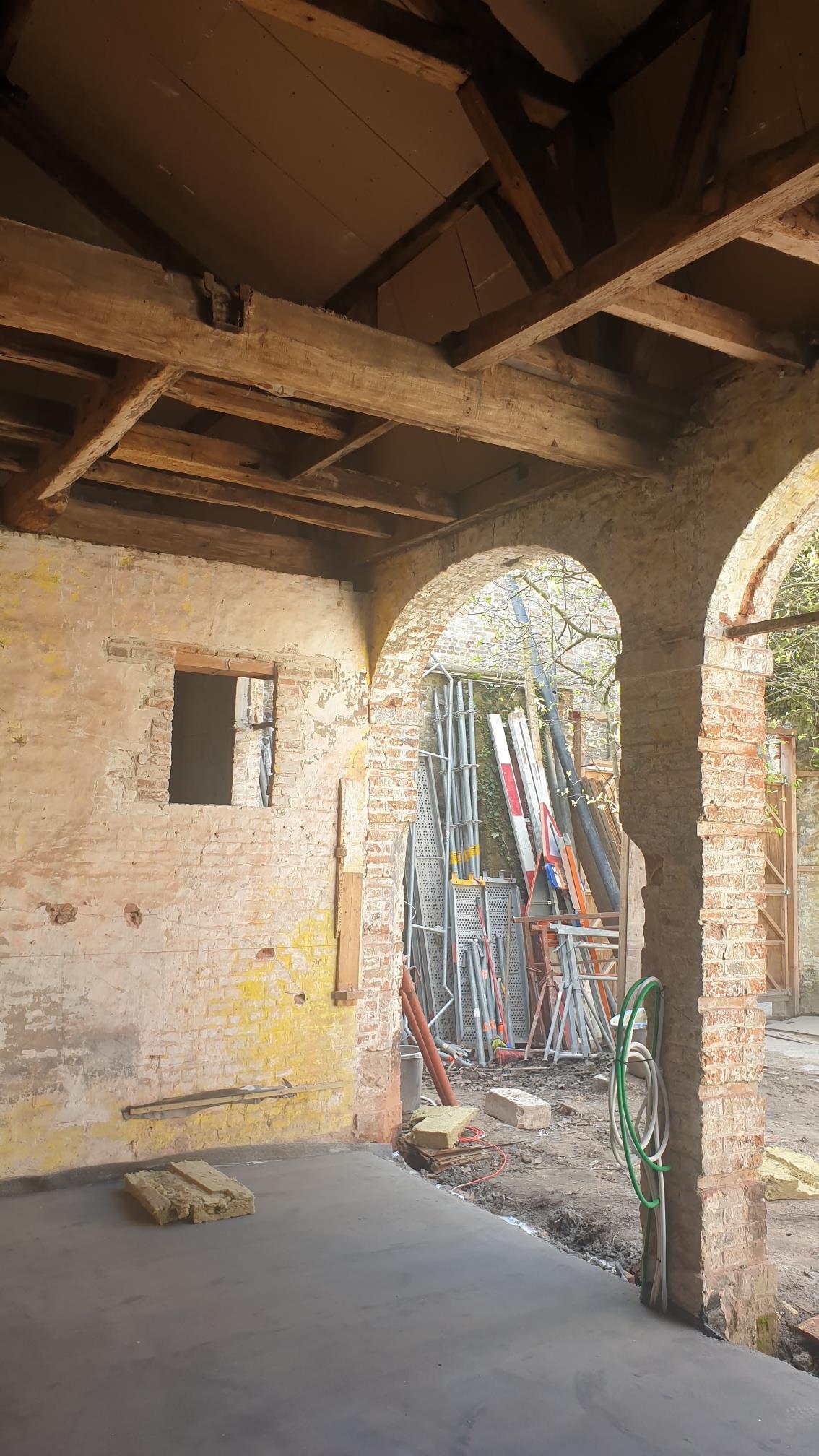
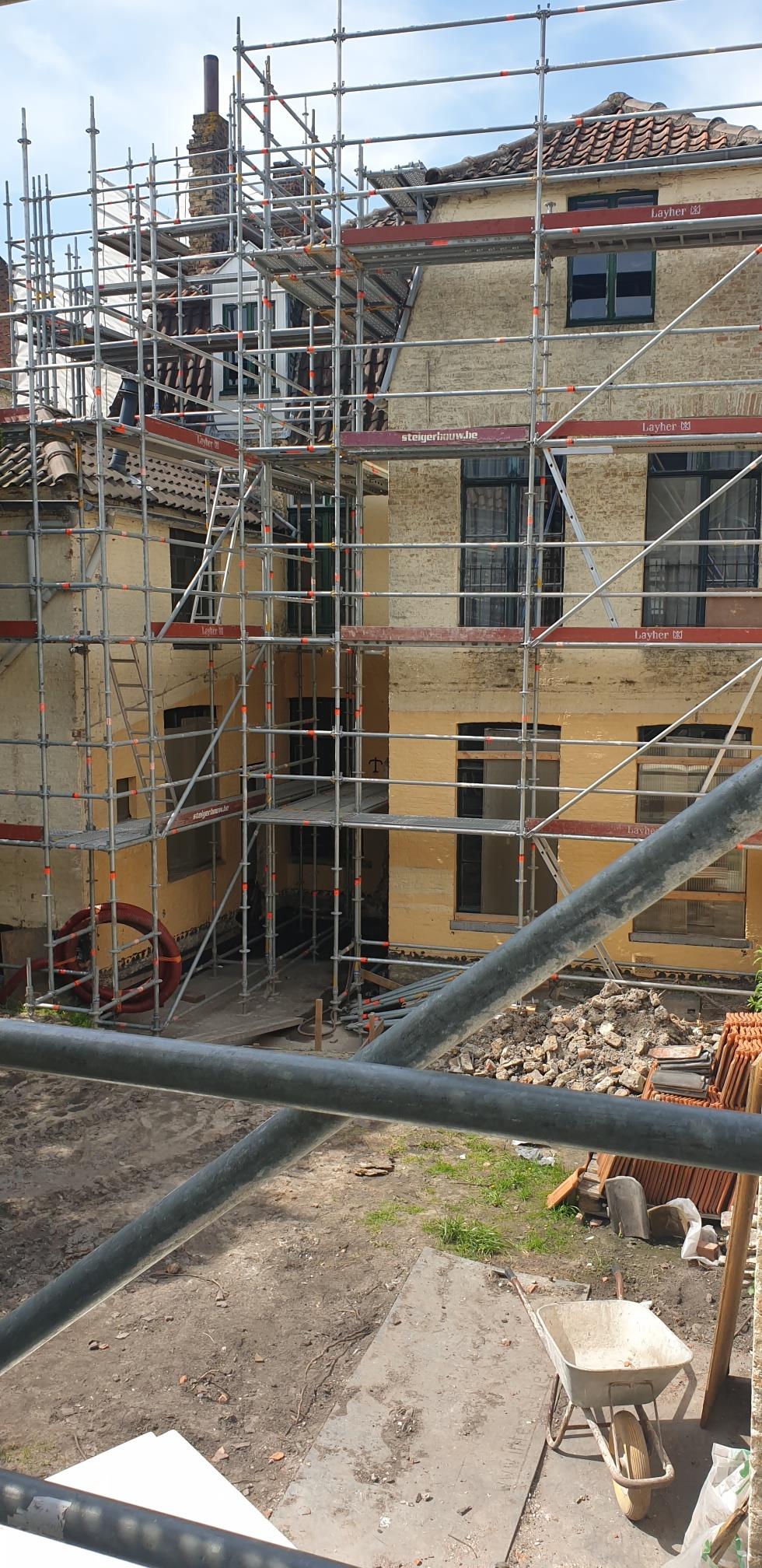
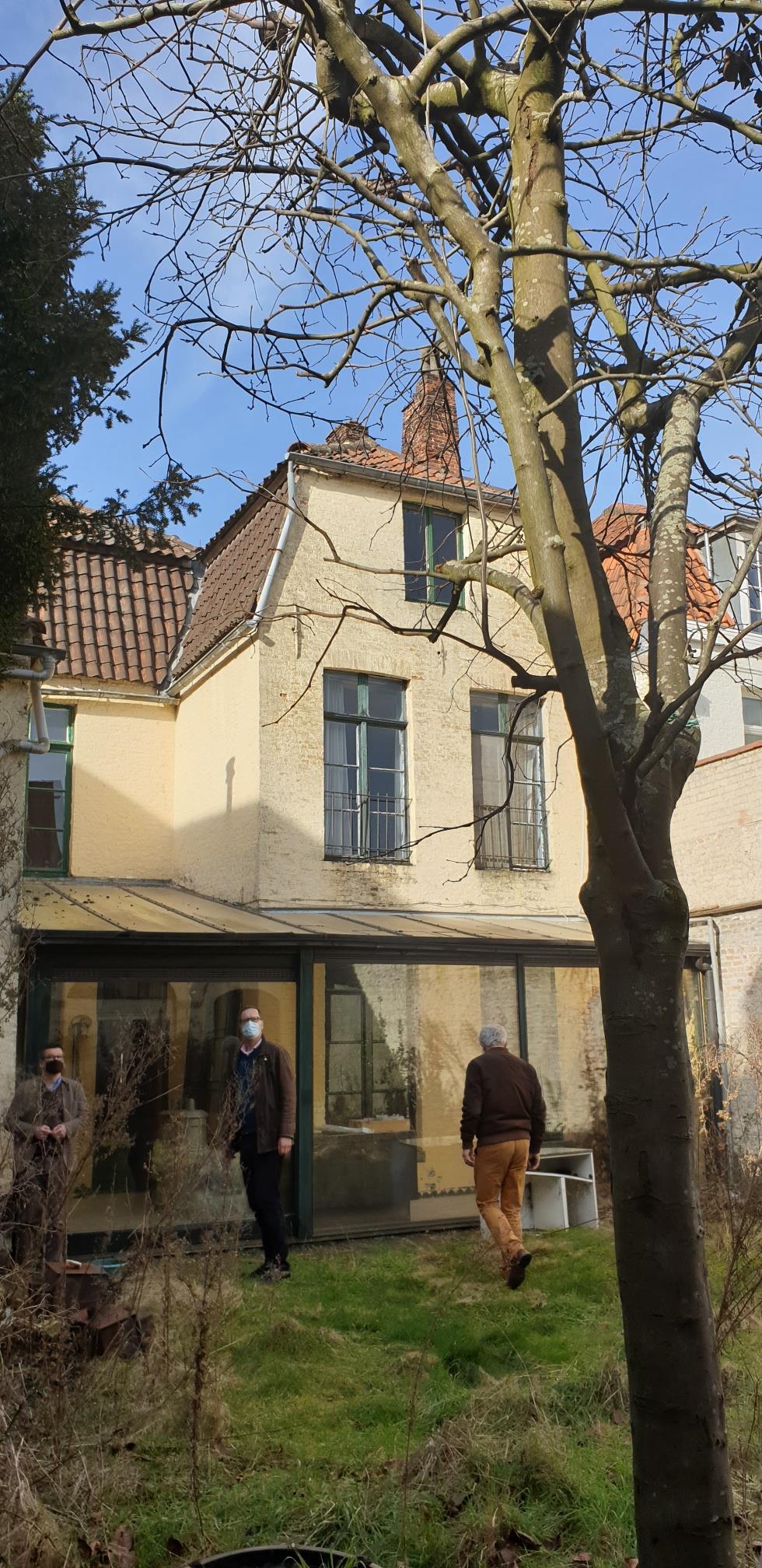
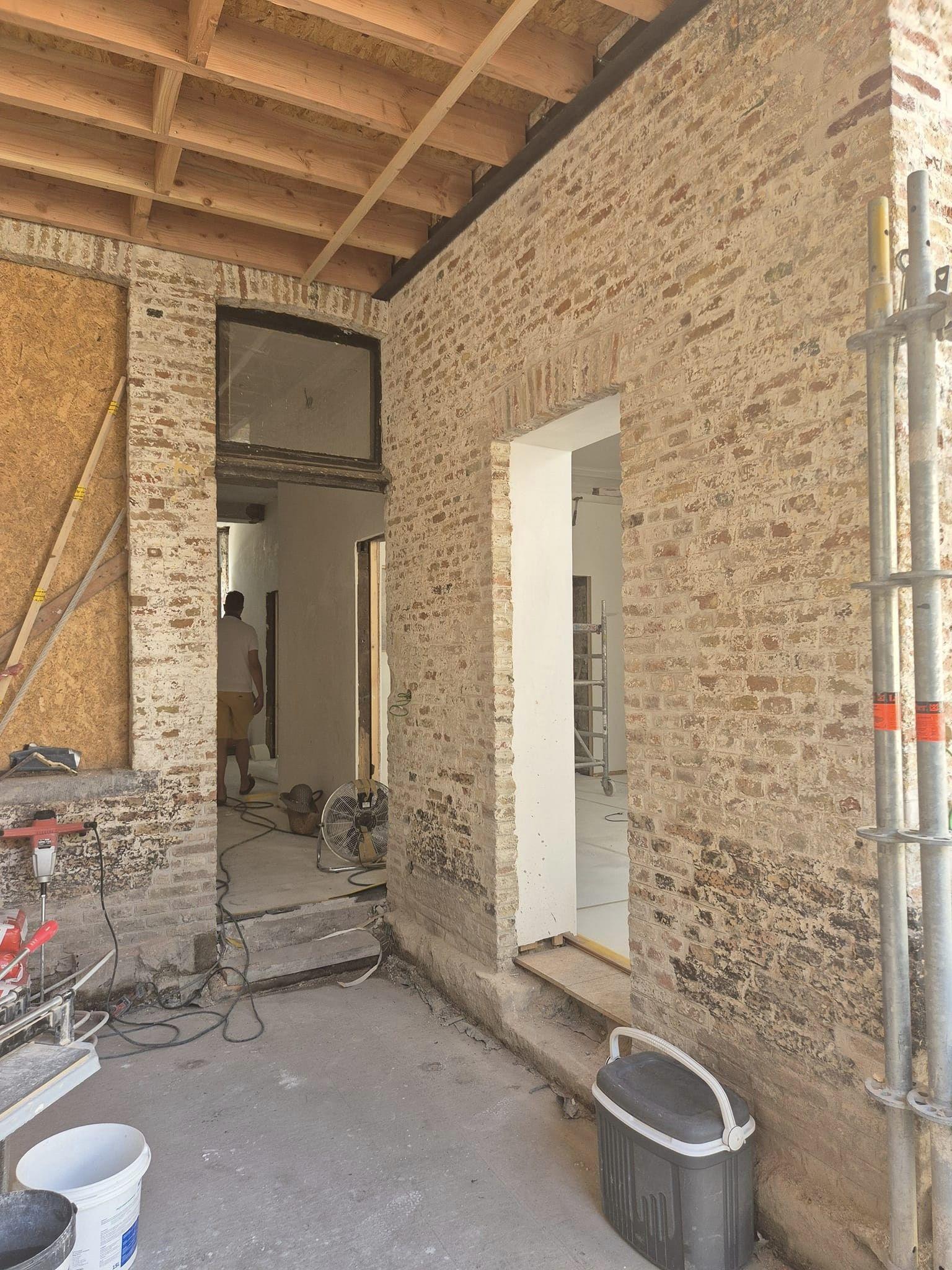
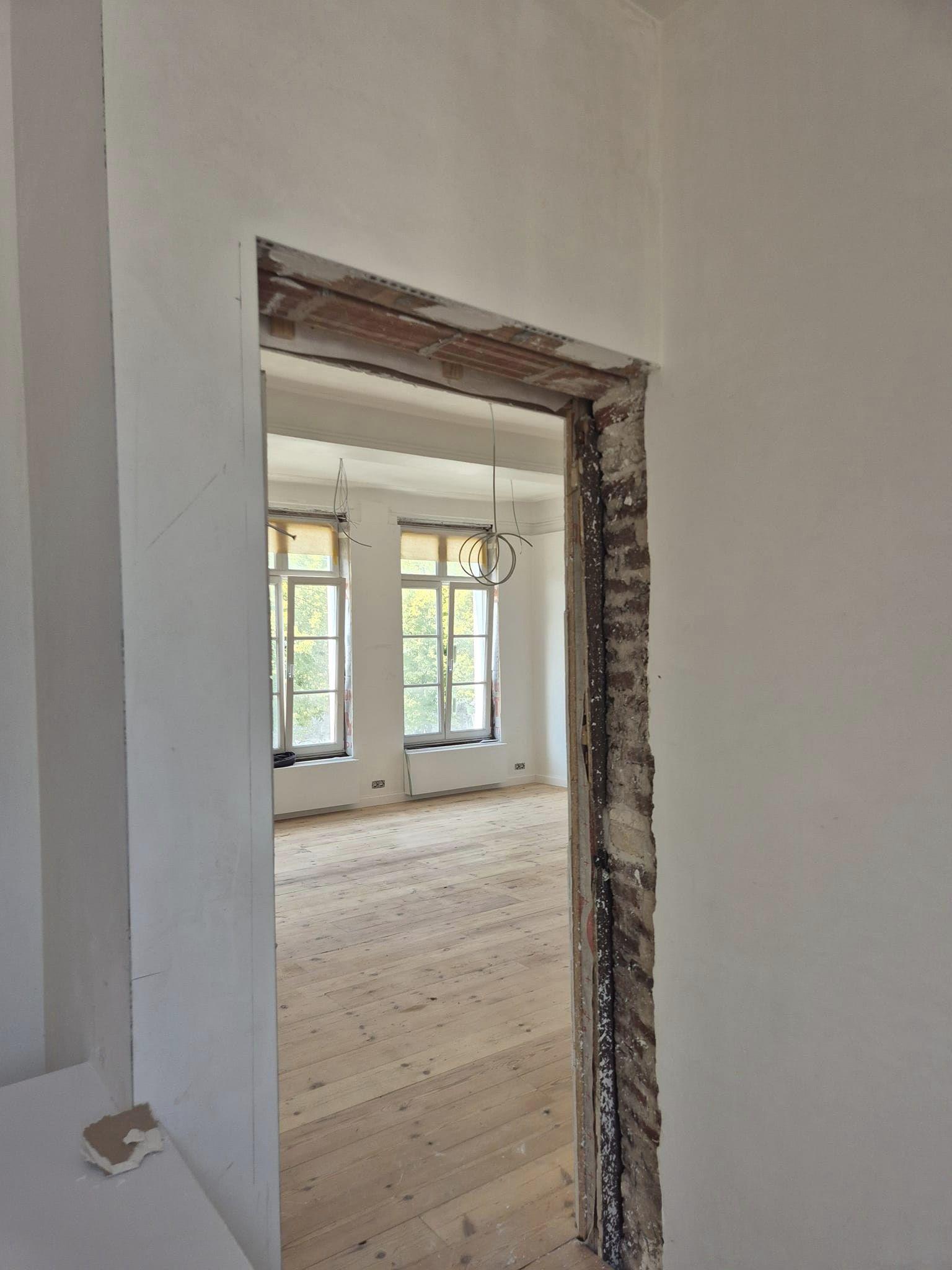
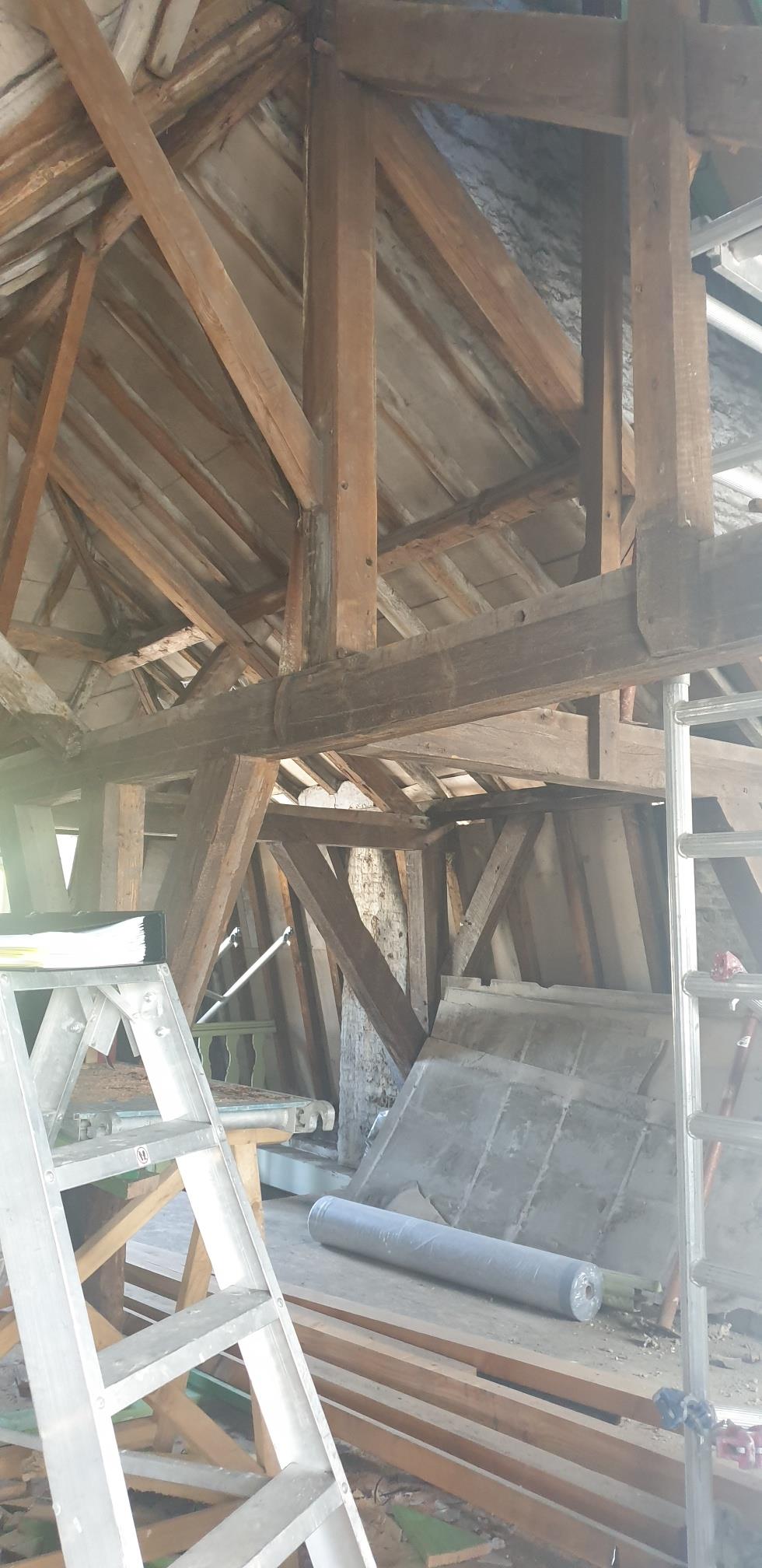
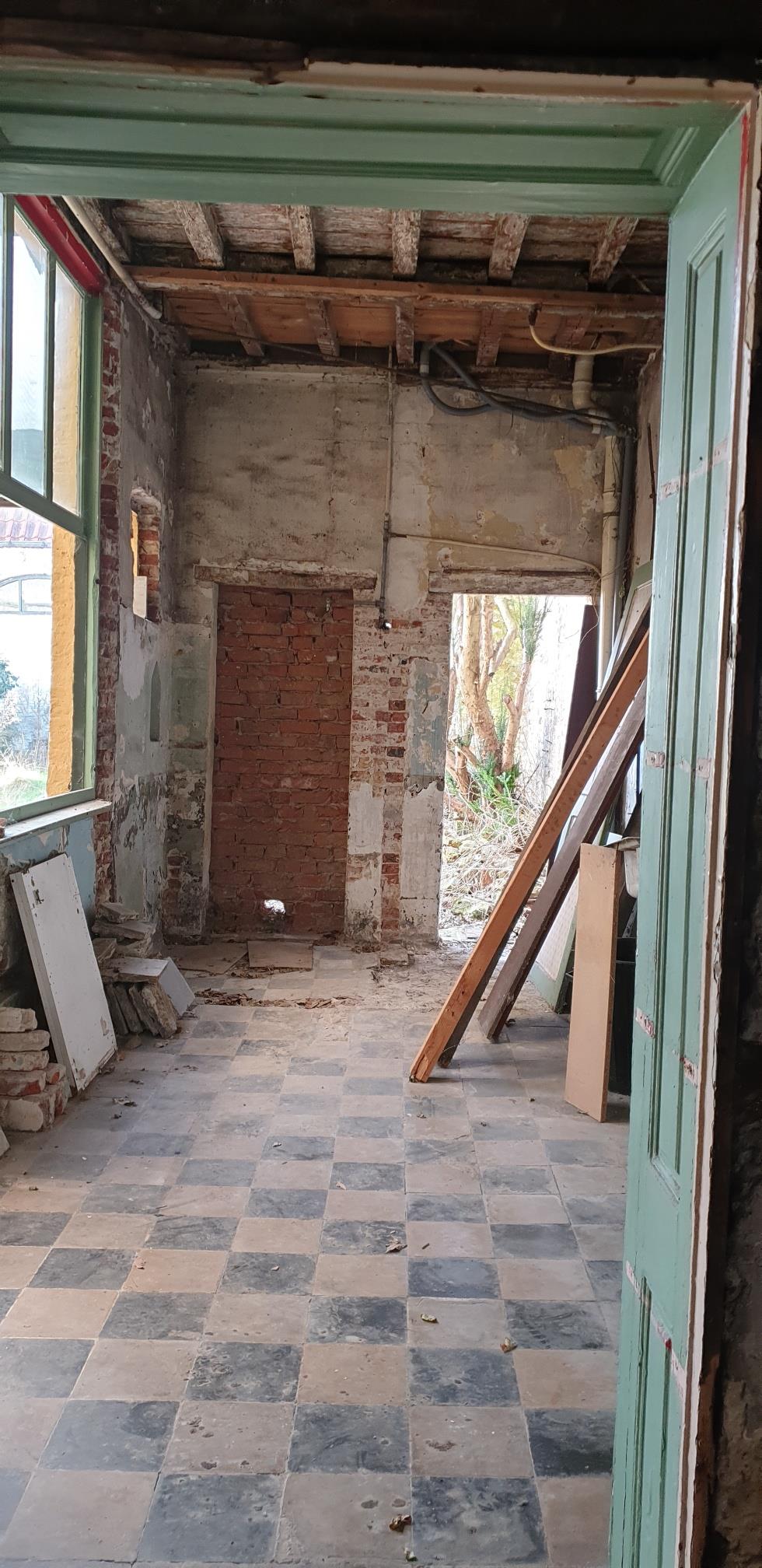
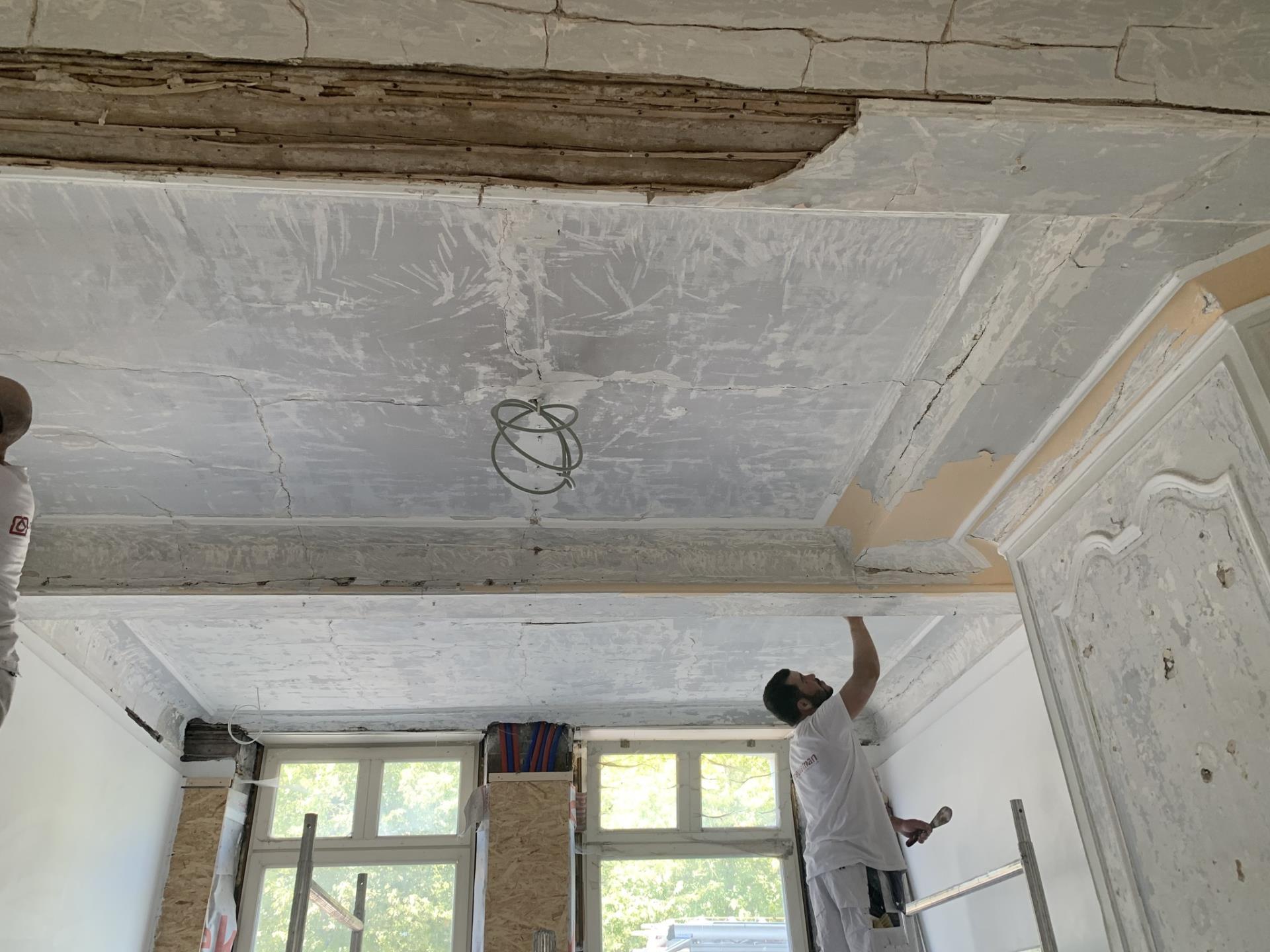
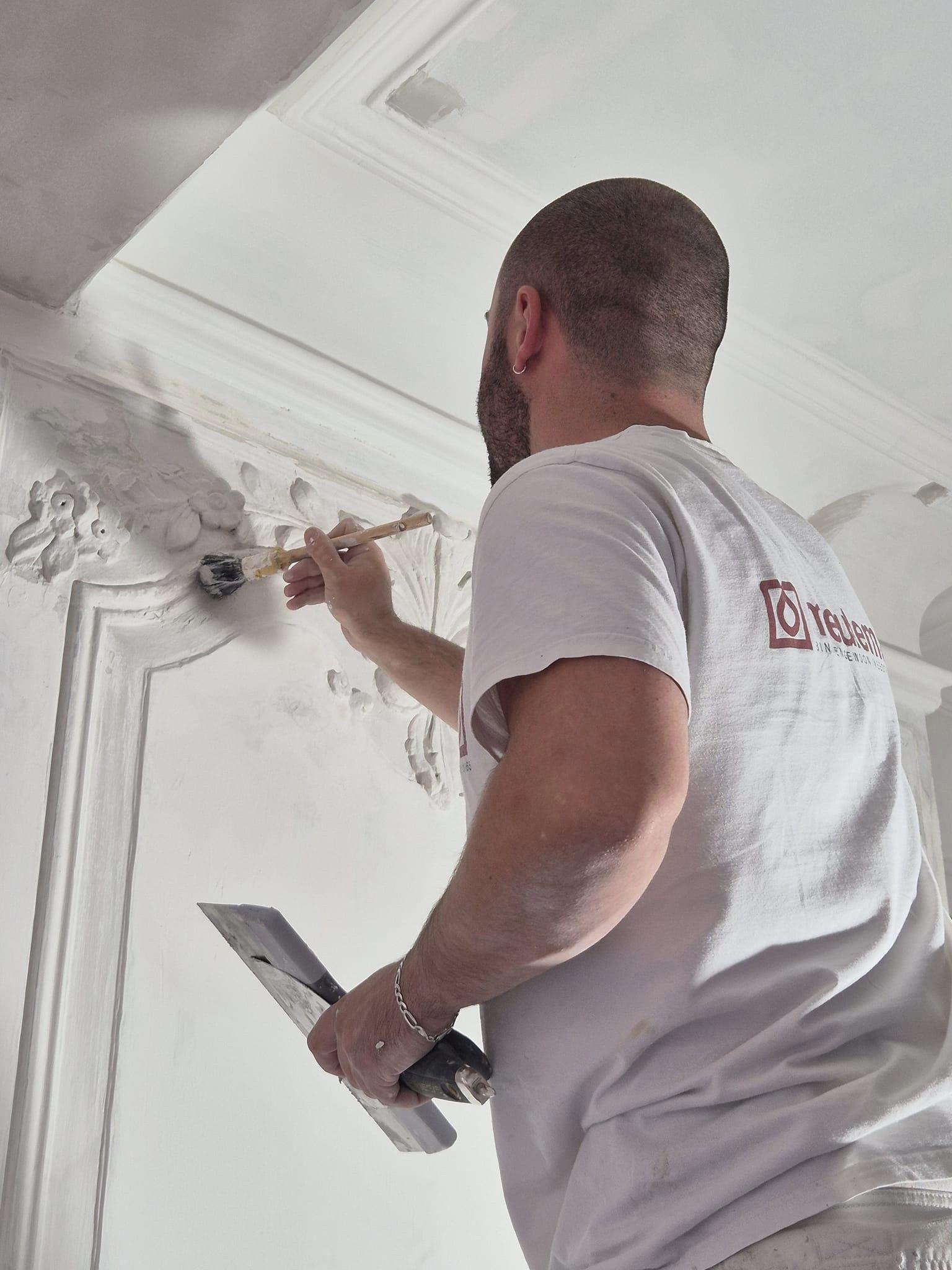
This project of merging medieval houses and converting them into a more spacious dwelling fits completely within the prevailing trends of the 18th century. The rising middle classes, the wealthy gentry and, to a lesser extent, the clergy invested in housing in the 18th century. The old stepped gables of the purchased buildings were replaced by plastered frame gables with more and larger windows, they had old outbuildings transformed into modern coach houses and installed garden pavilions and conservatories. On Dijver 15, a pavilion was built at the back of the plot, rhymed by four round arches with keystones and intermediate pillars with imitation bossage. Despite the fact that the houses were rented out, the interiors still show a sophisticated finesse in which the latest French fashions were followed.

EVERELMUS EVERELMUS EVERELMUS EVERELMUS EVERELMUS EVERELMUS EVERELMUS EVERELMUS EVERELMUS EVERELMUS EVERELMUS EVERELMUS EVERELMUS EVERELMUS EVERELMUS EVERELMUS EVERELMUS EVERELMUS EVERELMUS EVERELMUS EVERELMUS EVERELMUS